Why preserve Yalecrest?
Because neighborhoods like this one are not made — they accrue. A century of small decisions, one home at a time, cannot be rebuilt from scratch.
— Craftsmanship
— Environment
— Community
— Economy
— Timeline
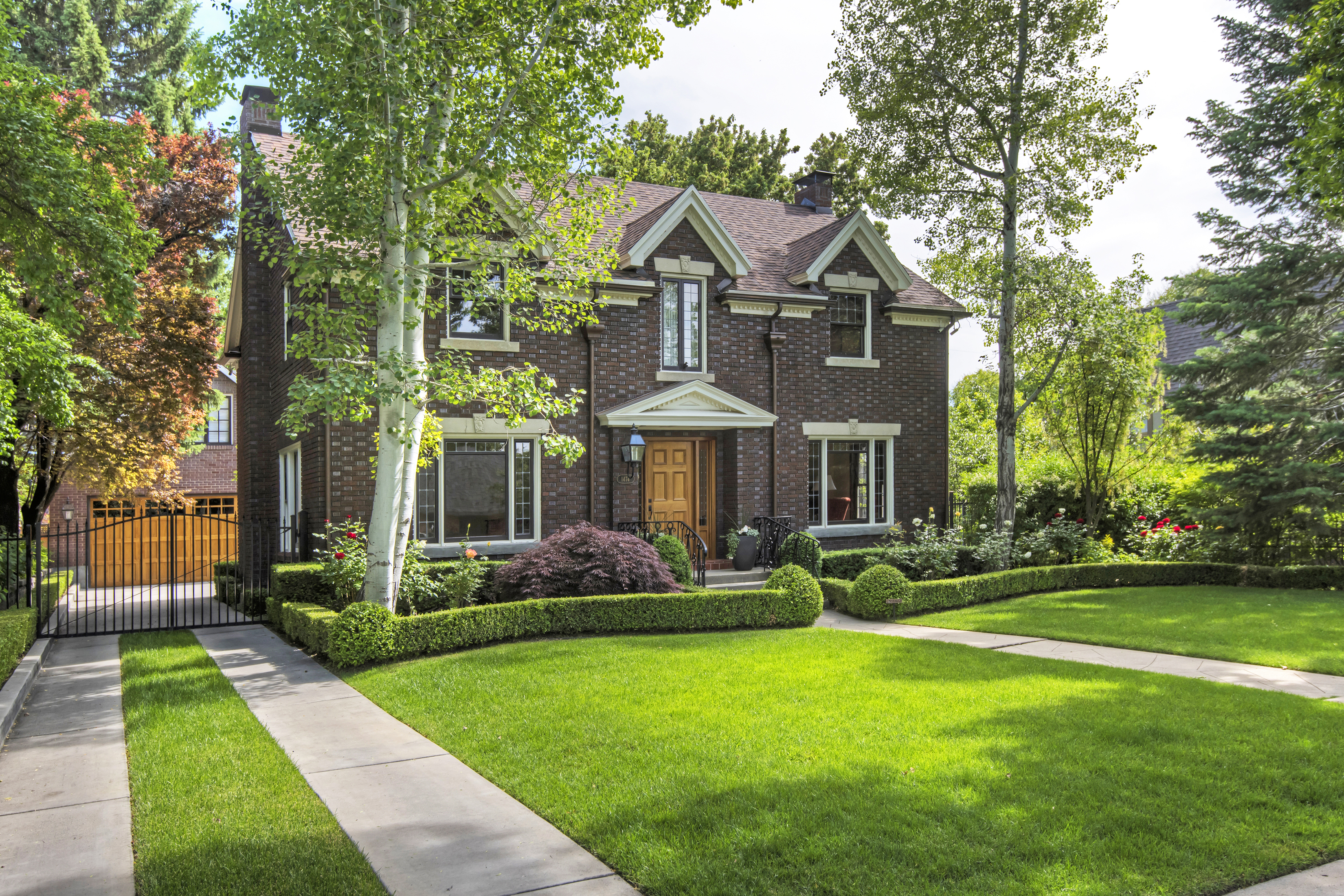
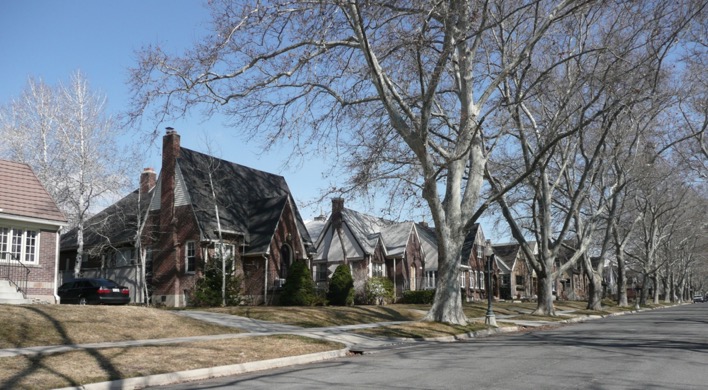
Yalecrest was laid out between 1919 and 1949 as a streetcar suburb of distinctive period-revival cottages. Its Tudors, Colonials, English Revivals and Spanish-style bungalows were designed by Salt Lake's first generation of architects working from European pattern books, built by local masons with materials drawn from a regional supply chain that no longer exists.
What makes Yalecrest worth preserving is not any single home. It is the coherence of the whole — 1,479 homes that speak to one another across their front walks, built within a thirty-year window by craftsmen who shared a vocabulary. Remove a handful and the conversation thins. Remove enough and it stops.
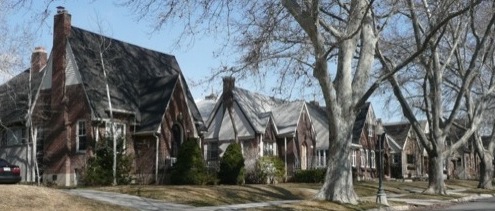 Michigan Avenue, 2010
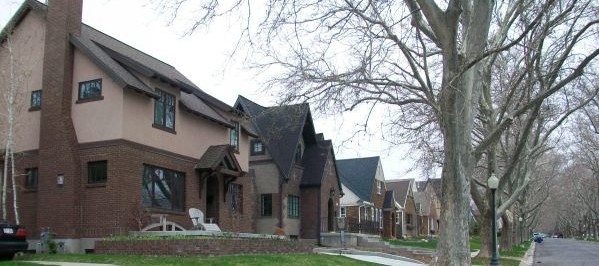 Michigan Avenue, 2013 — the same block after several historic homes were demolished.
Four reasons this matters
Materials that aren't made anymore
Old-growth lumber, hand-laid brick, plaster keyed to wood lath, leaded glass, cast-iron hardware. Replacements exist, but not at this scale or cost.
The greenest building is the one that's already built
Demolition wastes decades of embodied carbon. A new home, however efficient, takes 50+ years to offset the emissions of tearing the old one down.
Neighborhoods grow; they aren't built
Walkable, tree-lined, mixed-generation blocks are the product of a century of small decisions — not something we know how to design today.
Environment
Construction and demolition account for roughly 40% of global solid waste. When a 2,400 sq ft home is demolished, the landfill receives its full embodied carbon — the energy to fire its brick, mill its lumber, smelt its steel — plus the fresh emissions of whatever replaces it. A rebuilt home is typically larger, uses more operational energy, and will not pay back that carbon debt for half a century.
Preservation, in other words, is climate policy. The greenest thing a Yalecrest homeowner can do is live in their home and maintain it.
Community
Yalecrest works as a neighborhood because its blocks are dense enough to walk, its streets narrow enough to feel domestic, and its homes old enough to house a mix of incomes and ages. The market does not produce neighborhoods like this on its own — they are artifacts of a specific moment in American planning. Replacement construction, driven by single-site economics, tends toward bigger homes on bigger lots, and the neighborhood thins.
A short timeline
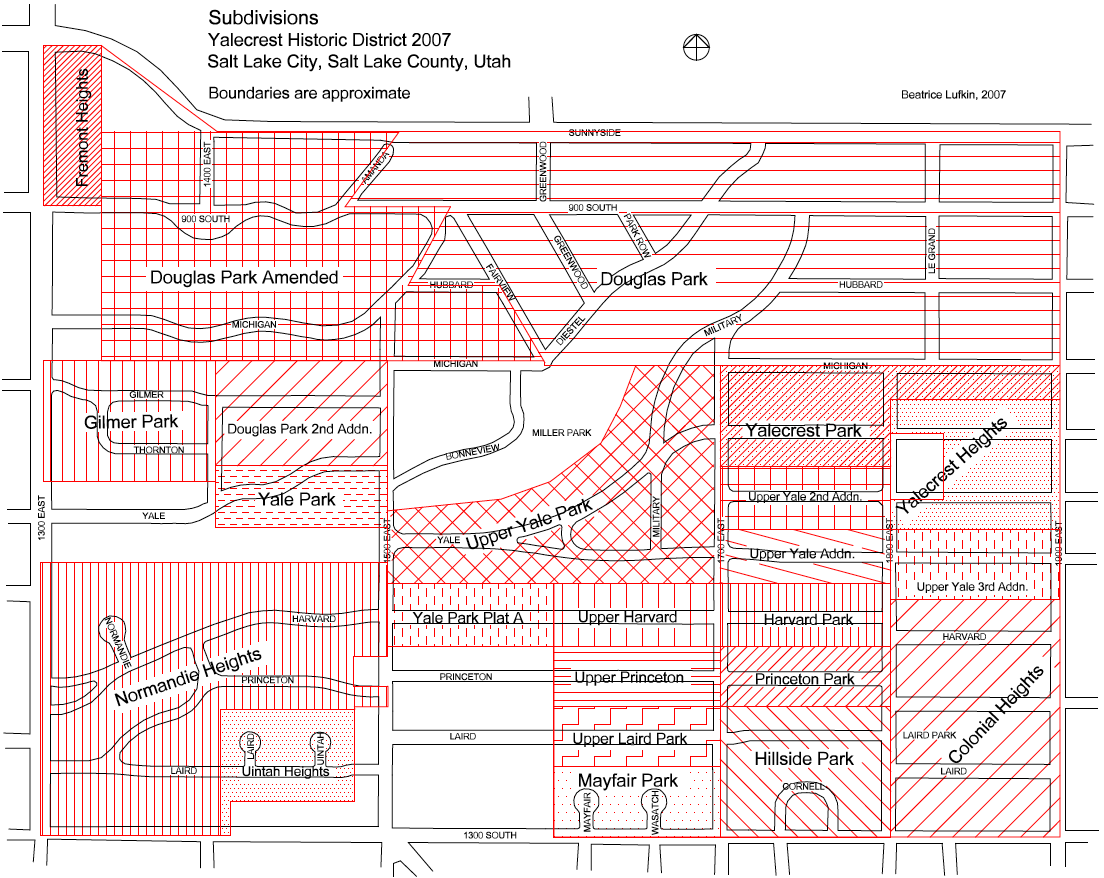 The 22 subdivisions that make up Yalecrest, platted between 1910 and 1938.
Losses we can't undo
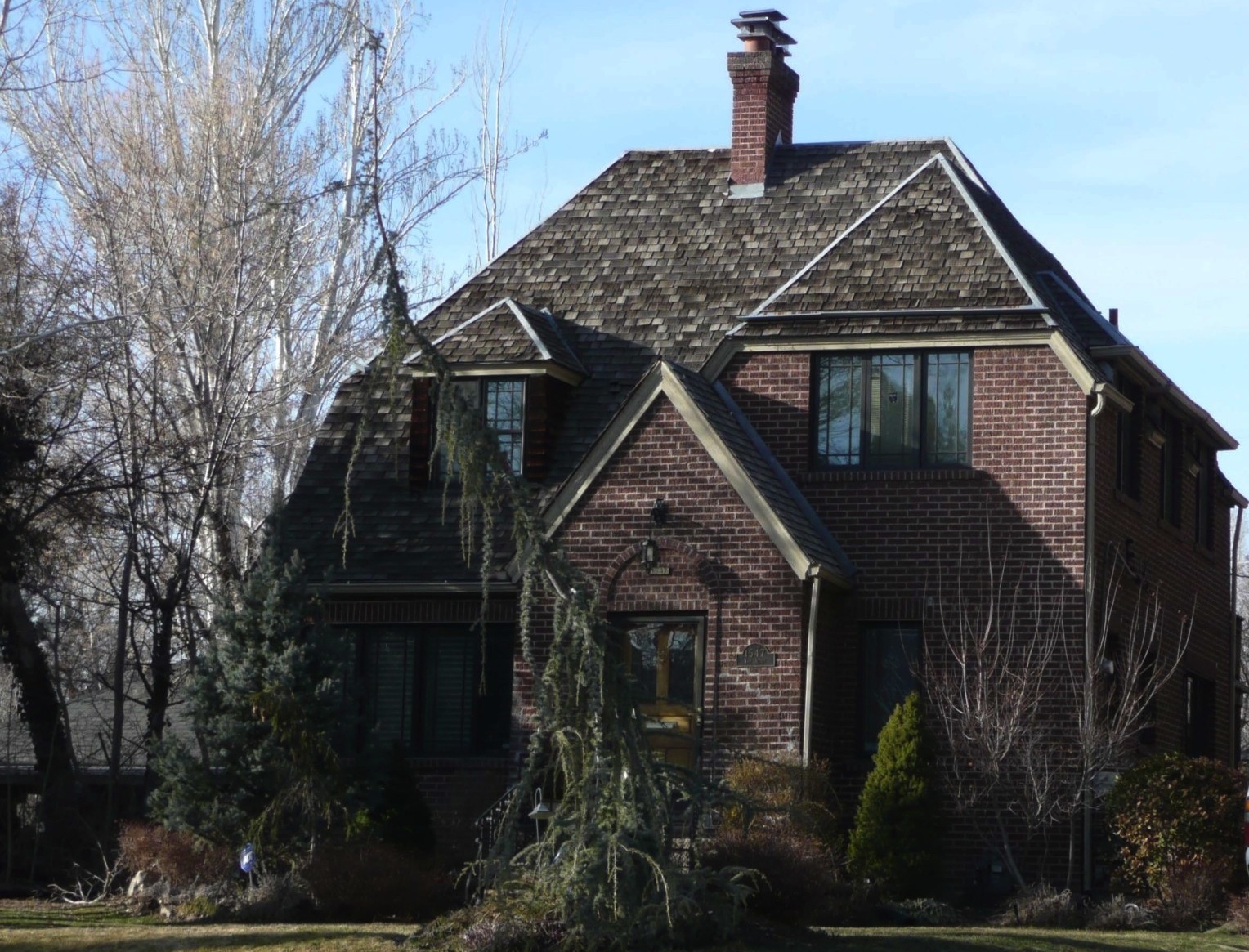 1547 Yale Avenue was demolished in 2009 — a graceful Tudor replaced with a new home nearly three times as large. Neighbors pooled money to buy and save the original; the owner declined.
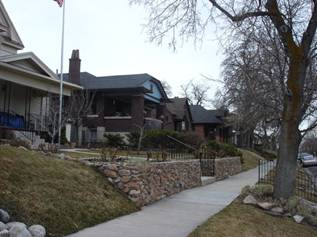
 Taylor Woolley — Frank Lloyd Wright's trusted draftsman and the architect who introduced the Prairie School style to Utah in 1911. His home stands at 1408 Yale Avenue.
What you can do
Read our work on the teardown issue. Subscribe to the newsletter. Come to a walking tour. Talk to your neighbors about Local Historic District designation — the only policy lever available in Utah that can meaningfully slow the rate of loss.